Anyone who has ever peered inside a computer or a small electronic gadget will know that memory chips come in many shapes and guises, each with its own particular job to do. Amongst the most fundamental building blocks of digital devices are the various families of read-only memory, ranging from the earliest fixed designs to the flexible, high-speed chips found in today's gadgets. Understanding how Mask ROM, PROM, EPROM, EEPROM, and Flash memory differ from one another isn't merely an academic exercise; it has genuine bearing on how engineers design everything from simple household appliances to sophisticated embedded systems. This article takes a closer look at each of these memory types, exploring what sets them apart and why these distinctions matter for the next generation of storage solutions.
The essentials
- Mask ROM is permanently programmed during the manufacturing process, making it suitable only for data that never requires updates.
- PROM provides a one-time customization option, allowing users to program the chip after production without further ability to modify the contents.
- EPROM introduced the ability to erase and reuse memory by exposing the chip to ultraviolet light, though the process is cumbersome and requires specialized equipment.
- EEPROM enables byte-level rewriting using electrical signals, offering a more convenient and granular solution for frequent updates in embedded systems.
- Flash memory improves upon EEPROM by utilizing block-based erasure, which allows for higher data density, lower costs, and faster performance.
- NOR-Flash is typically utilized for storing critical boot code, while NAND-Flash is preferred for high-capacity file storage in modern electronics.
- Selecting the appropriate memory technology depends on balancing specific requirements such as rewrite frequency, capacity, cost, and long-term data retention.
Understanding the Fundamental Characteristics of ROM Technologies
The Unchangeable Nature of Mask ROM and Its Manufacturing Process
Mask ROM sits at the very origin of read-only memory technology, and its defining trait is permanence. During the manufacturing process, the data is physically etched into the silicon using photolithographic masks, which means the content is fixed the moment the chip leaves the factory. There's no scope whatsoever for altering what's stored inside once production is complete, making Mask ROM suitable only for applications where the information will never need updating. This rigidity made it popular in the early days of computing, particularly for storing firmware that would remain constant throughout a device's lifetime. However, this inflexibility eventually became its downfall as manufacturers sought more adaptable alternatives, especially as electronic devices grew more complex and required updateable code.
How prom offers one-time customisation after production
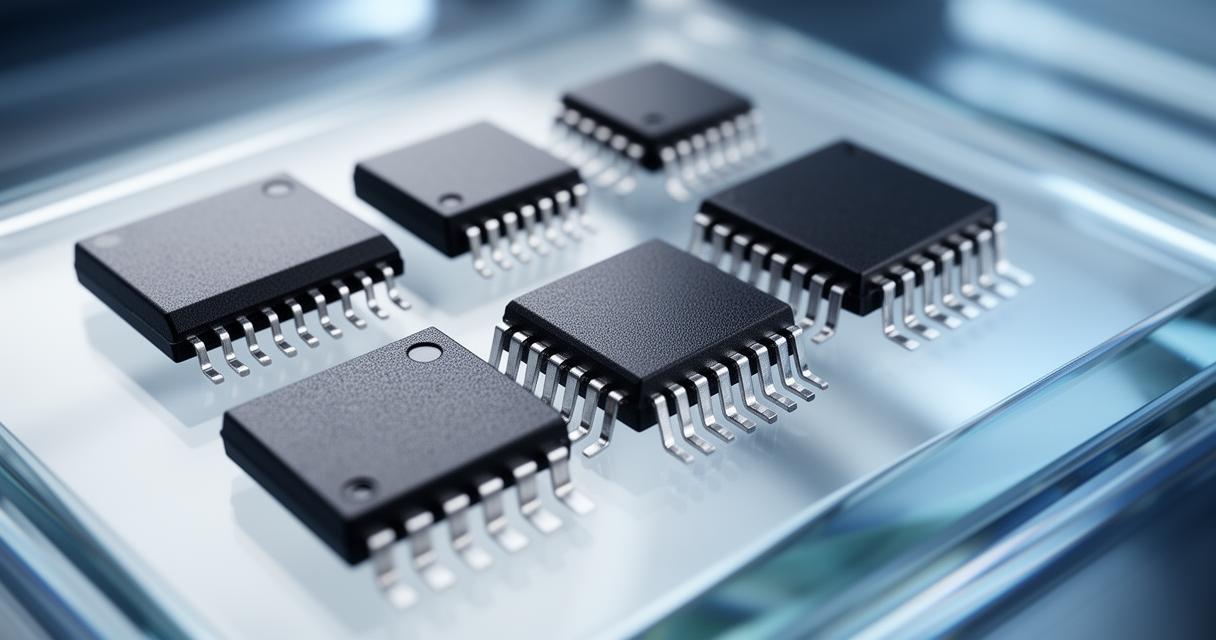
Programmable read-only memory, better known as PROM, emerged as a step forward from the rigid constraints of Mask ROM. Rather than having data baked in during manufacture, PROM chips arrive blank and can be programmed by the end user, though only once. This single-use flexibility gave engineers a bit more breathing room, allowing them to customise chips for specific applications without needing to commission an entirely new manufacturing run. Once the data has been written, though, it becomes just as permanent as Mask ROM content, and there's no going back. This one-shot programming approach found favour in scenarios where small production runs made custom Mask ROM manufacturing prohibitively expensive, yet the need for truly rewritable memory hadn't fully clicked into place, paving the way for the mandatory shift towards erasable technologies that would follow.
Erasable memory solutions: eprom, eeprom, and flash compared
UV Light Erasure in EPROM Versus Electrical Modification in EEPROM
Erasable programmable read-only memory, or EPROM, introduced a genuinely novel concept: the ability to wipe the chip clean and start afresh. This erasure, however, required exposing the chip to ultraviolet light through a small quartz window built into its casing, a process that was slow, cumbersome, and required specialised equipment including a UV lamp and a dedicated programmer for writing new data. Whilst this represented progress, it hardly suited applications demanding frequent updates. EEPROM, or electrically erasable programmable read-only memory, solved this problem elegantly by allowing data to be erased and rewritten using electrical signals alone, without removing the chip from its circuit. This meant byte-level rewriting became possible, giving engineers granular control over which portions of memory needed updating. Narrow-definition EEPROM typically retains data for up to a century and supports around a million erase and write cycles, though capacities usually stay modest, rarely exceeding 512 kilobytes. This made EEPROM the preferred choice wherever frequent, small-scale updates were required, such as in embedded systems, microcontrollers, and security applications, whilst EPROM found its niche in older computers and firmware storage where data remained largely fixed.
Why flash memory delivers superior speed for modern data storage
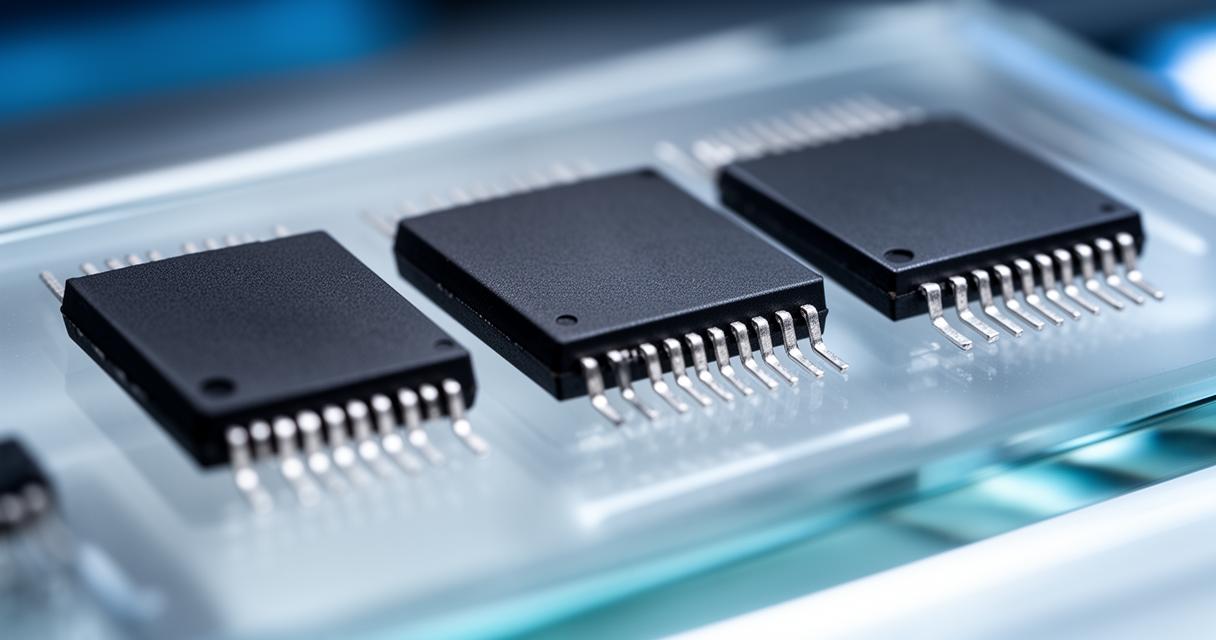
Flash memory represents a broader interpretation of EEPROM technology, distinguishing itself through block-based erasure and writing rather than the byte-level approach of narrow-definition EEPROM. This architectural difference translates into higher data density and considerably lower costs, making Flash the go-to solution for storing substantial volumes of data. Two main varieties have emerged within this category: NOR-Flash, which typically ranges from two to twelve megabytes and offers byte-level access alongside excellent reliability, and NAND-Flash, which proves more cost-effective and suits large-capacity storage needs. NOR-Flash tends to handle critical boot code where dependability is paramount, whereas NAND-Flash powers file systems and multimedia storage where sheer capacity matters most. The speed advantage Flash memory offers over traditional EEPROM has made it indispensable across countless consumer electronics, from smartphones to solid-state drives, cementing its position as a cornerstone of modern data storage.
Real-World Applications and Future Implications for Next-Generation Storage
Selecting the Right Memory Type for Computers and Electronic Devices
Choosing between these various memory types isn't a one-size-fits-all decision; it depends heavily on the specific demands of the application at hand. Factors such as rewrite frequency, cost constraints, and required data retention periods all play a part in this selection process. EEPROM shines in situations calling for frequent, flexible updates, despite its limited rewrite cycles and comparatively slower speeds and higher expense. EPROM, by contrast, suits environments where data remains fixed for extended periods, offering long-term stability and reliable operation, albeit with the drawback that rewriting requires erasing the entire chip rather than selective portions. Engineers designing embedded systems, microcontrollers, and other electronic devices must weigh these trade-offs carefully, often consulting resources on PCB manufacturing and semiconductor memory design to ensure their chosen solution aligns with both performance requirements and budgetary limitations. This balancing act between endurance, speed, and cost continues to shape how designers approach memory selection today.
The Role of Flash and EEPROM in Advancing Tomorrow's Storage Solutions
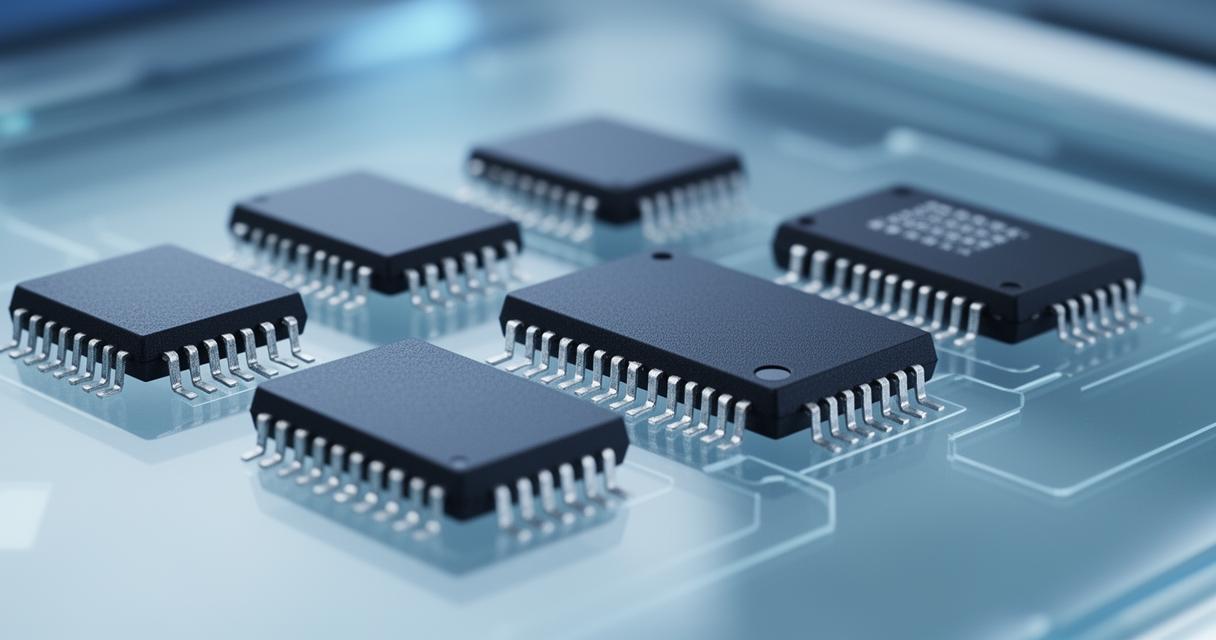
Looking ahead, the landscape of non-volatile memory continues to evolve, with newer technologies beginning to challenge the dominance of established players like EEPROM and EPROM. FeRAM, or ferroelectric random access memory, has emerged as a particularly promising contender, offering faster rewriting speeds, improved endurance, and reduced power consumption compared to its predecessors. Whilst Flash memory and EEPROM remain firmly entrenched in countless applications today, from security systems to consumer gadgets, the gradual maturation of alternatives such as FeRAM suggests the roles these established technologies play may shift over coming years. As demands for faster, more energy-efficient, and longer-lasting storage solutions intensify, the memory technology sector seems poised for continued innovation, ensuring that the next generation of storage solutions will likely draw upon a rich lineage stretching back to the earliest Mask ROM designs whilst embracing entirely new approaches to data persistence and retrieval.