Squeezing extra performance out of a processor without spending a penny more on hardware has always held a certain appeal for tech enthusiasts, and in 2023 Intel's line-up offers plenty of scope for exactly that kind of tinkering. Whether you're chasing higher frame rates in games or shaving seconds off render times, the right chip combined with careful CPU overclocking can deliver noticeable gains. This piece walks through what makes an Intel processor genuinely suited to pushing beyond its factory settings, profiles five standout candidates, and weighs them against AMD's Ryzen alternatives so you can make an informed choice.
In short
- Overclocking an Intel processor allows enthusiasts to gain extra performance by increasing clock speeds beyond factory settings, provided they use unlocked 'K' series chips.
- Intel's hybrid architecture in Alder Lake and Raptor Lake allows for granular control, letting users prioritize performance cores while maintaining system stability.
- Modern Intel processors include integrated safeguards like over-temperature and over-voltage protection, making the overclocking process safer for beginners.
- Effective overclocking requires balancing core counts and thermal management, as higher core counts often shift the performance bottleneck to the cooling solution.
- The Core Ultra series offers various overclocking candidates, ranging from the budget-friendly 250K Plus to the high-end 285K flagship designed for aggressive tuning.
- Understanding Thermal Design Power (TDP) is essential, as higher-performing chips necessitate more robust cooling solutions, such as liquid cooling, when increasing voltages.
Understanding Overclocking Potential: What Makes an Intel Processor Ideal for Enthusiasts
At its core, overclocking simply means increasing a chip's operating frequency beyond what it ships with, and the payoff is extra performance without upgrading to a pricier model. The practice hinges on a handful of concepts that anyone dabbling in performance optimisation should understand: the base clock speed or BCLK, the multipliers that scale that base figure into the final core frequency, and Vcore, the voltage supplied to keep everything stable at higher speeds. Only unlocked processors, denoted by the K suffix in Intel's naming scheme, allow these multipliers to be adjusted freely, which is why the Intel K series remains the natural starting point for anyone serious about tuning their rig.
Architecture advances: how alder lake and raptor lake enable superior clock manipulation
Intel's recent architectural shifts have made overclocking more rewarding and, in many respects, safer than it used to be. The hybrid design introduced with Alder Lake and refined further in Raptor Lake pairs high-performance cores with efficiency cores, giving enthusiasts more granular control over how power and frequency are distributed across the chip. This layered approach means you can push the performance cores harder for gaming or single-threaded tasks while leaving the efficiency cores to handle background chores, all without the whole system tipping into instability. Built-in safeguards such as overtemperature protection, over power protection, and over voltage protection also mean there's a much smaller risk of permanently damaging silicon during experimentation, which makes the current generation considerably more forgiving for newcomers to the hobby.
Core Count, Thread Distribution, and Their Impact on Overclocking Headroom
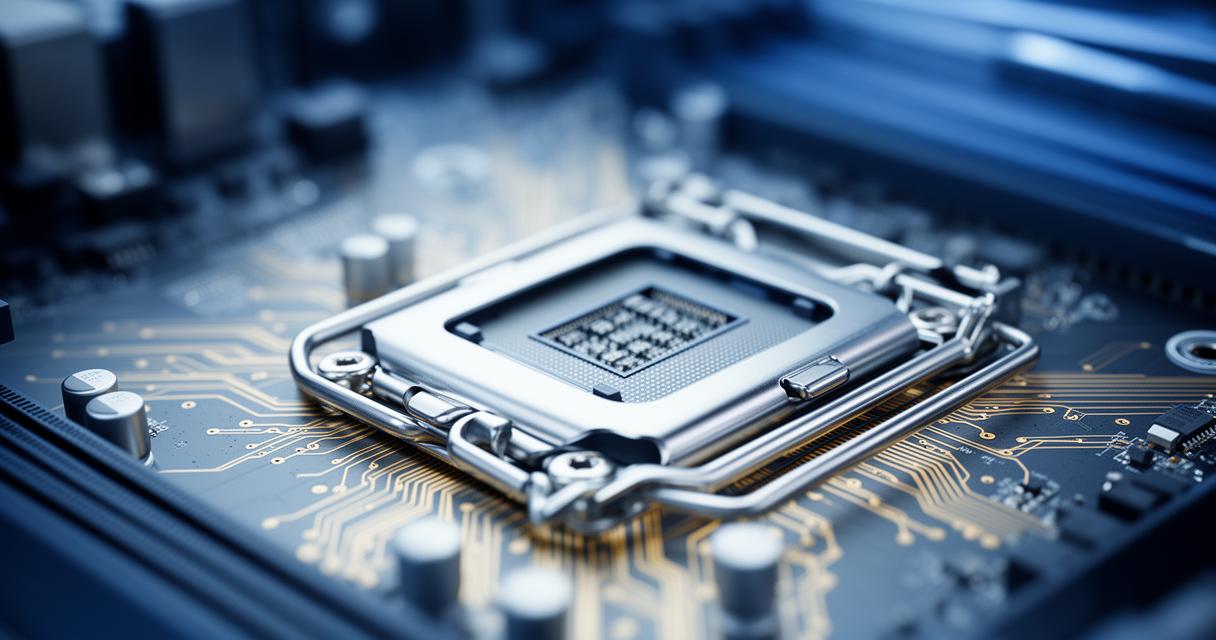
More cores and threads don't automatically translate into more overclocking headroom, but they do change how you approach the process. A chip with a generous core count often has more thermal mass to manage, so cooling becomes the limiting factor rather than the silicon itself. Thread distribution also matters for workloads that scale well across many cores, since a modest bump in clock speed multiplied across a dozen or more threads can yield a more meaningful real-world improvement than the same bump on a quad-core chip. This is why enthusiasts building workstation-grade systems often prioritise sustained multi-core frequency over headline single-core numbers when deciding where to invest their tuning efforts.
The 5 Leading Intel Processors for Overclocking in 2023: Detailed Specifications and Performance Analysis
Narrowing the field down to five standout chips means looking beyond marketing figures and considering how each processor behaves once pushed. Intel's current stack spans budget-friendly options right through to formidable high-end silicon, and the Core Ultra range in particular has reshaped expectations for what mainstream buyers can achieve. The Core Ultra 5 250K Plus represents a sensible entry point for those dipping their toes into tuning for the first time, offering unlocked multipliers at a price that won't break the bank. Step up to the Core Ultra 7 265K and you gain extra cores alongside a higher ceiling for sustained boost clocks, making it a favourite among mainstream processors shoppers who still want room to grow. For gamers specifically, the Core Ultra 7 270K Plus deserves a mention thanks to its strong single-core performance, which tends to matter more than raw core count when chasing frame rates. At the top of the stack sits the Core Ultra 9 285K, Intel's flagship high-end CPU that combines a substantial core count with plenty of thermal headroom for aggressive tuning. Rounding out the selection is a chip that punches above its price point for creative workloads, giving content creators a genuine alternative to pricier workstation options.
Comparing base and boost frequencies: ghz capabilities across top models
Clock speed comparisons can be misleading if taken in isolation, but they still offer a useful starting point when judging clock speed potential across these chips. The gap between base and boost frequencies tends to be wider on the more expensive models, reflecting Intel's confidence in their cooling tolerances and binning process. What's worth noting is that boost clocks achieved out of the box are rarely the ceiling; with careful adjustment of multipliers in small increments and thorough stability testing after each change, most of these chips can sustain frequencies meaningfully above their advertised boost figures, provided the cooling solution is up to the task.

Thermal design power (tdp) considerations: balancing performance with cooling requirements
Thermal design power is often glossed over by casual buyers, yet it's arguably the single most important spec for anyone planning to overclock. A higher TDP rating signals that a chip is designed to dissipate more heat under load, which in practical terms means you'll need a more capable cooling solution once you start raising voltages. Liquid cooling becomes almost essential for the flagship models in this list, whereas the budget-oriented Core Ultra 5 can often get by with a robust air cooler. Throughout any tuning session, keeping an eye on temperature control and power consumption using tools like Intel XTU, CPU-Z, and Core Temp will help you find the sweet spot between extra performance and long-term reliability.
Intel Versus AMD: Evaluating the Competition in the Overclocking Arena
No discussion of overclocking-friendly processors would be complete without acknowledging the elephant in the room, and that's AMD's Ryzen line-up. The rivalry between the two manufacturers has pushed both to offer increasingly generous tuning headroom, and buyers genuinely benefit from that competition.
Ryzen series performance ratios: where amd positions against intel's offerings
AMD's AMD Ryzen chips have carved out a reputation for excellent price-to-performance ratios, and models such as the Ryzen 7 5700X continue to serve as a benchmark for budget-conscious builders. Further up the stack, the Ryzen 7 9700X competes directly with Intel's mainstream offerings, while the formidable Ryzen 9 9950X and its 3D cache-equipped sibling, the Ryzen 9 9950X3D, go toe to toe with Intel's high-end and gaming chips respectively. For those with workstation ambitions, the Ryzen Threadripper 9980X sits in a category of its own, offering a level of multi-core muscle that few Intel alternatives can currently match. Independent reviewers rate these processors on a scale running from 1.0, described as dismal, up to 5.0, described as exemplary, and the scores for both brands' flagship chips tend to cluster impressively close together.
Socket compatibility, motherboard selection, and price-to-performance value assessment
Choosing between the two camps ultimately comes down to more than raw benchmarks. Socket compatibility plays a significant role, since committing to a platform often means staying within that ecosystem for several years, and motherboard pricing can vary considerably depending on which chipset you pair with your chosen chip. Intel's Core Ultra range demands newer boards to unlock its full tuning potential, while AMD's platform has historically offered longer-term upgrade paths on the same socket. Whichever way you lean, weighing benchmarking results against real-world pricing remains the most sensible way to decide, and with both budget CPUs and flagship silicon now offering unlocked multipliers, enthusiasts have more genuine choice than at almost any point in recent memory.