The way businesses handle meal benefits for their staff has changed considerably over recent years. Across France and beyond, the move away from paper-based systems towards fully digital solutions has reshaped the relationship between employers, employees, and the restaurateurs who serve them every day. At the heart of this transformation sits the digital Ticket Restaurant card, a modern approach to an established workplace benefit that continues to gain traction across the food industry and the broader retail sector.
In brief
- The French workplace benefits system has shifted from traditional paper vouchers to digital Ticket Restaurant cards for improved efficiency.
- Digital cards eliminate the logistical burdens of printing, distributing, and manually tracking physical meal vouchers for HR departments.
- The digital system allows for automated fund loading and reporting, making it highly compatible with modern remote and flexible working arrangements.
- Usage of the card is strictly regulated in France, limited to working days and specifically for the purchase of meals or food for immediate consumption.
- Employer contributions to these meal allowances remain exempt from social charges, providing a tax-efficient way to increase employee purchasing power.
- Restaurateurs benefit from faster payment processing and improved cash flow compared to the time-consuming reimbursement cycles of paper vouchers.
- The widespread adoption of digital cards has created an expanding network of participating restaurants and retailers, benefiting all stakeholders in the food service ecosystem.
Understanding the Shift to Digital Voucher Solutions for Employers
Replacing paper vouchers with corporate payment cards
For decades, the paper cheque or physical ticket was the standard method by which French companies provided meal allowances to their workforce. Employees would carry a booklet of paper vouchers and hand them over at participating restaurants or food outlets. Whilst the system worked, it was cumbersome for all parties involved. Today, the digital card (most notably associated with Edenred and its flagship Ticket Restaurant product) replaces that paper trail with a sleek, electronic payment card that employees carry in their wallets alongside their other bank cards. This dematerialisation of the traditional meal voucher marks a genuine turning point in how workplace benefits are administered.
The shift is not merely cosmetic. When a company moves from paper tickets to a digital card, it eliminates the logistical burden of printing, distributing, and tracking physical vouchers. The card itself operates much like a standard payment card, accepted across an extensive network of restaurants, supermarkets, and food retailers throughout France. Market developments have shown that electronic voucher acceptance has been steadily expanding, with supermarket chains increasingly joining the networks that recognise these digital solutions, broadening the retail space available to cardholders.
Operational Efficiency and Savings for Your Company
From a corporate standpoint, the advantages of switching to a digital card system are substantial. Administrative teams no longer need to manage stocks of paper titles, reconcile lost or unused vouchers, or handle the monthly distribution process manually. Everything is managed digitally, from the initial loading of funds onto the card through to monthly reporting. This modernization of internal processes frees up resources and reduces errors, allowing HR and finance departments to focus on higher-value tasks. The card also adapts readily to remote working arrangements, a factor that has become increasingly relevant as flexible working becomes the norm across many sectors of the French economy.
Financial Advantages and Allowance Rules for Employees in France
Daily Spending Limits in Euros and Usage Conditions
One of the defining features of the digital Ticket Restaurant card is the structured framework governing how it may be used. In France, regulations set out clear rules about the daily spending limit in euros and the conditions under which the benefit can be redeemed. Employees are entitled to use their card on working days only, and the benefit is intended for the purchase of meals or food products intended for immediate consumption. The card cannot be used to make general grocery purchases beyond the scope of meal provision, ensuring the benefit retains its intended purpose within the food distribution landscape.
Restaurateurs and food retailers who participate in the network benefit from a reliable and growing customer base. As electronic vouchers become more widespread, the range of establishments accepting the card has expanded across the country, from independent restaurants to larger chains operating within the broader food industry. This growth reflects both the increasing trust in digital payment infrastructure and the commercial logic that encourages businesses to accept a payment method used by a significant portion of the working population in France.
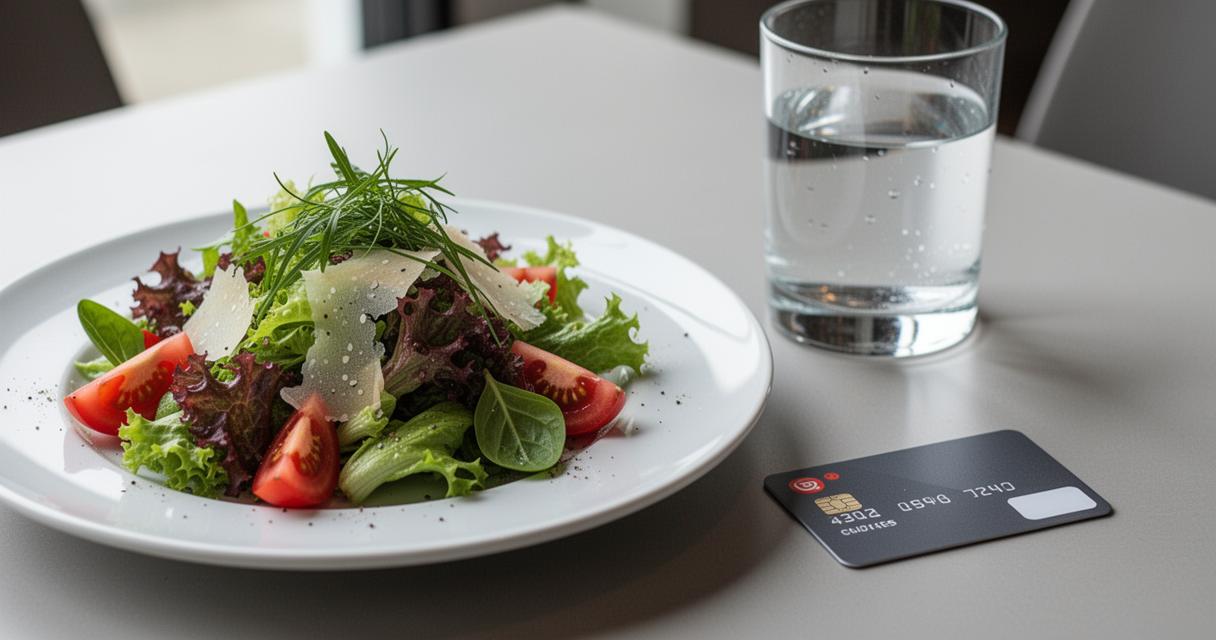
Tax exemptions on digital restaurant allowance contributions
Perhaps the most compelling financial argument for both employer and employee lies in the tax treatment of the Ticket Restaurant contribution. In France, the portion of the meal allowance funded by the employer benefits from a social charges exemption, provided the contribution remains within the thresholds set by current legislation. This means the company effectively subsidises part of each employee’s lunch at a lower net cost than an equivalent salary increase would entail, making it a highly efficient component of the overall remuneration package. Employees, meanwhile, receive a tangible benefit that improves their purchasing power without the full weight of income tax falling on the amount contributed.
The dematerialization of the benefit does not alter its fiscal status; the same exemption rules apply whether the employer issues a paper cheque or loads funds onto a digital card. What changes is the ease of administration and the accuracy of record-keeping, both of which support compliance during any audit or verification by the relevant French authorities.
Streamlining payment processes for partnering restaurateurs
Transaction processing across national restaurant networks
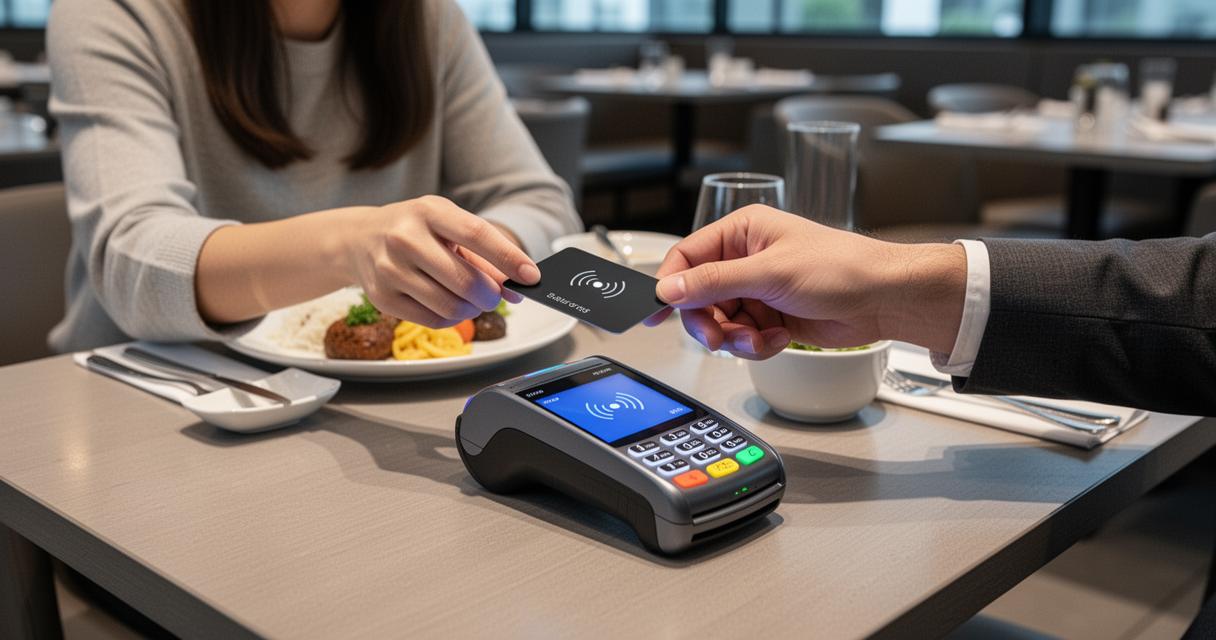
For restaurateurs, integrating the digital Ticket Restaurant card into their payment terminals is straightforward. Unlike the old paper system, which required restaurateurs to collect physical vouchers and submit them for reimbursement through a sometimes slow administrative process, the electronic card settles transactions in a manner comparable to standard card payments. Funds are processed through the established payment infrastructure, reducing the delay between the moment a customer pays and the moment the restaurateur receives the corresponding amount. This improvement in cash flow is a meaningful benefit, particularly for smaller establishments operating on tighter margins.
The expansion of the card’s acceptance network across France also creates a virtuous cycle. As more restaurants and food retailers join the network, the card becomes more attractive to both employers and employees. This, in turn, encourages further uptake by companies who might previously have maintained a paper-based system out of inertia. The result is a continuously growing ecosystem that benefits all stakeholders, from the individual employee buying a weekday lunch to the restaurateur processing dozens of card transactions each midday service.
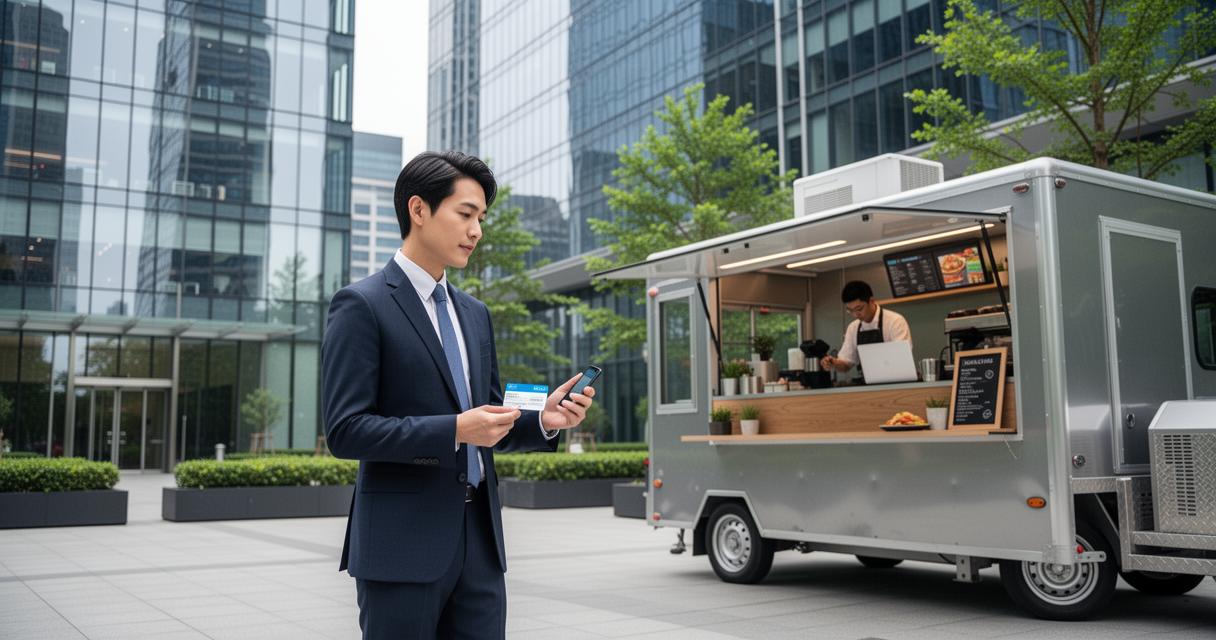
Managing dematerialisation and direct financial settlements
The broader context of dematerialisation in the food and retail sectors provides useful perspective here. Across various markets, the move towards digital payment solutions and e-commerce integration has accelerated, with food distribution channels increasingly blending physical and digital experiences. The digital Ticket Restaurant card sits comfortably within this wider trend, serving as a practical example of how business investment in digital infrastructure can deliver tangible returns for companies, their workforce, and their commercial partners.
Edenred, as the entity behind the Ticket Restaurant product, plays a central role in maintaining and developing the network infrastructure that makes all of this possible. The company manages the relationships with thousands of restaurateurs and food retailers across France, ensuring that the card remains a genuinely useful and widely accepted form of payment. For employers looking to offer a competitive and tax-efficient benefits package, and for employees seeking a convenient and practical way to manage their daily meal expenses, the digital Ticket Restaurant card represents a well-established and increasingly sophisticated solution in the French workplace benefits landscape.